NASA Internship and Fellowship Program (USA) | A Complete Guide for 2026
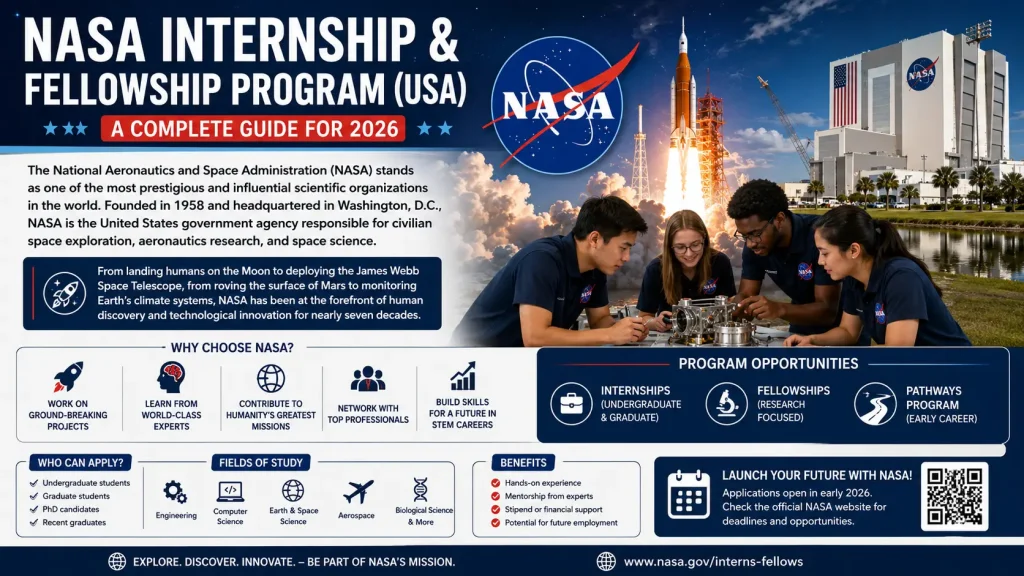
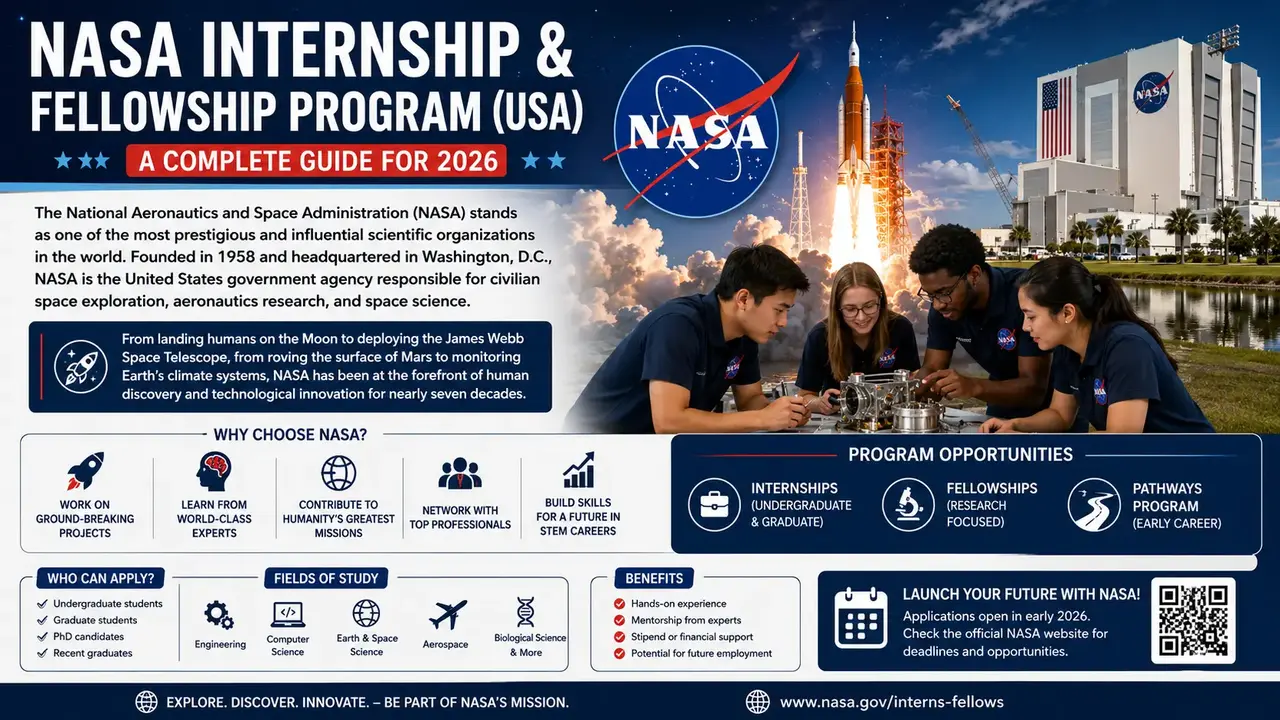
The National Aeronautics and Space Administration (NASA) stands as one of the most prestigious and influential scientific organizations in the world. Founded in 1958 and headquartered in Washington, D.C., NASA is the United States government agency responsible for civilian space exploration, aeronautics research, and space science. From landing humans on the Moon to deploying the James Webb Space Telescope, from roving the surface of Mars to monitoring Earth’s climate systems, NASA has been at the forefront of human discovery and technological innovation for nearly seven decades.
For students and researchers around the globe, a NASA internship or fellowship represents a once-in-a-lifetime opportunity to work alongside world-class scientists, engineers, and technologists on projects that shape the future of space exploration and scientific understanding. Whether you are an undergraduate student exploring career paths, a graduate student conducting cutting-edge research, or a postdoctoral scholar pushing the boundaries of human knowledge, NASA offers a range of programs designed to nurture talent, build skills, and inspire the next generation of explorers.
This comprehensive guide covers everything you need to know about NASA Internship and Fellowship Programs in 2026, including eligibility requirements, available opportunities, benefits, the application process, official apply links, and a detailed FAQ section to address all your questions.
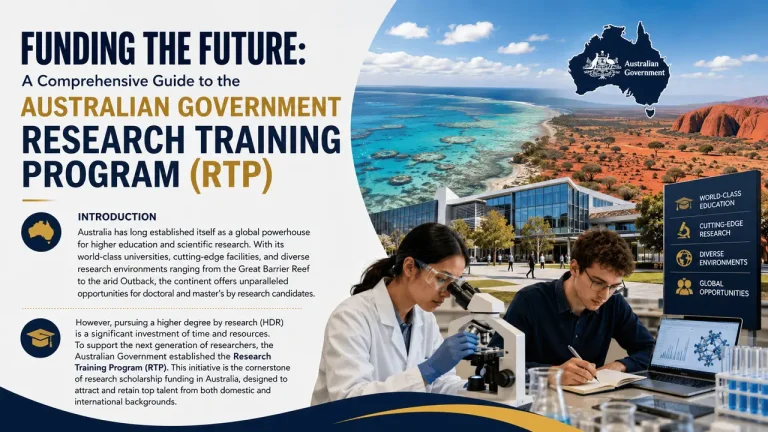
Check: Australian Government Research Training Program (RTP)
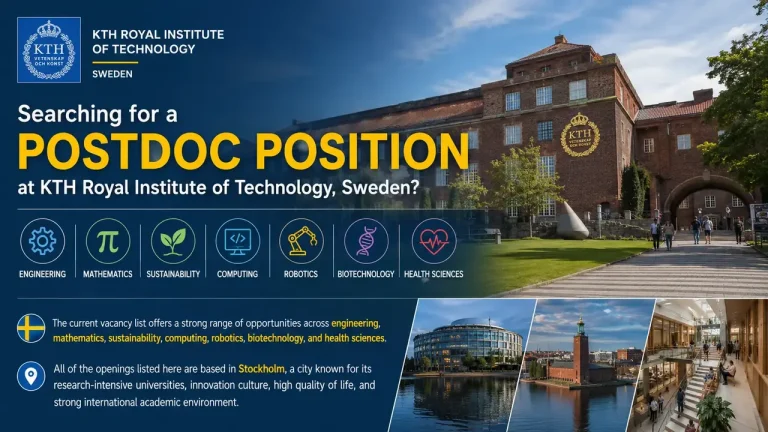
Check: Postdoc Positions at KTH Royal Institute of Technology, Sweden
About NASA
The National Aeronautics and Space Administration (NASA) was established on July 29, 1958, through the National Aeronautics and Space Act, in response to the Soviet Union’s launch of the Sputnik satellite. Since its inception, NASA has led some of humanity’s most remarkable achievements:
- Apollo Moon Landing Program (1969): NASA’s Apollo 11 mission successfully landed the first humans on the Moon, fulfilling President Kennedy’s bold vision.
- Space Shuttle Program (1981–2011): Over 30 years, the Space Shuttle fleet completed 135 missions, deploying satellites, conducting research, and constructing the International Space Station (ISS).
- International Space Station (ISS): NASA played a central role in building and operating the ISS, a multinational collaborative project that has been continuously inhabited since November 2000.
- Mars Exploration: NASA’s rovers — Spirit, Opportunity, Curiosity, and Perseverance — have explored the Martian surface, searching for signs of past life and preparing for future human missions.
- James Webb Space Telescope (2021): The most powerful space telescope ever built, JWST is revolutionizing our understanding of the early universe, exoplanets, and cosmic phenomena.
- Artemis Program: NASA is currently leading the Artemis program, which aims to return humans to the Moon and establish a sustainable presence, paving the way for future crewed missions to Mars.
Headquarters: Washington, D.C., United States
Official Website: https://www.nasa.gov
NASA Mission: To drive advances in science, technology, aeronautics, and space exploration to enhance knowledge, education, innovation, economic vitality, and stewardship of Earth.
Today, NASA employs approximately 18,000 civil servants and works with contractors, academic institutions, and international partners to carry out its mission. The agency operates 10 major centers across the United States, each specializing in different areas of research and development.
Types of NASA Opportunities
NASA offers several distinct pathways for students and researchers to engage with the agency’s mission. Understanding the differences between these programs is essential for finding the right fit for your academic and professional goals.
1. NASA Internships
NASA Internships are designed to provide students with hands-on, practical experience working on real NASA projects. Interns work directly with NASA mentors — experienced professionals who guide them through meaningful tasks and research activities.
- Duration: Typically 10 weeks during the summer, though semester and year-long internships are also available.
- Levels: Open to high school, undergraduate, and graduate students.
- Fields: Aerospace engineering, mechanical engineering, electrical engineering, computer science, physics, biology, chemistry, earth science, data science, communications, business administration, and many more.
- Locations: Available at all 10 NASA centers, NASA Headquarters in Washington D.C., and remotely (virtual internships).
NASA Centers Offering Internships:
| Center | Location | Focus Area |
|---|---|---|
| NASA Headquarters | Washington, D.C. | Policy, administration, science |
| Ames Research Center | Moffett Field, California | Astrobiology, aeronautics, IT |
| Armstrong Flight Research Center | Edwards, California | Aeronautics, flight testing |
| Goddard Space Flight Center | Greenbelt, Maryland | Earth science, astronomy, astrophysics |
| Jet Propulsion Laboratory (JPL) | Pasadena, California | Robotic space exploration |
| Johnson Space Center | Houston, Texas | Human spaceflight, ISS operations |
| Kennedy Space Center | Cape Canaveral, Florida | Launch operations, space systems |
| Langley Research Center | Hampton, Virginia | Aeronautics, atmospheric science |
| Glenn Research Center | Cleveland, Ohio | Propulsion, power systems |
| Marshall Space Flight Center | Huntsville, Alabama | Rocket propulsion, space systems |
| Stennis Space Center | Mississippi | Rocket engine testing |
2. NASA Fellowships
NASA Fellowships are competitive awards that provide financial support and research opportunities to graduate students and postdoctoral researchers. Unlike internships, which are primarily experiential, fellowships are research-focused and often support thesis or dissertation work.
- NASA Graduate Research Fellowship (NGRF): Supports graduate students pursuing master’s or doctoral degrees in STEM fields relevant to NASA’s mission.
- NASA Postdoctoral Program (NPP): Provides fellowships to early-career researchers and senior scientists for independent research at NASA facilities.
- Harriett G. Jenkins Fellowship: Supports graduate students from underrepresented backgrounds in STEM.
- Space Technology Research Fellowship (STRF): Supports graduate students conducting space technology research.
- Earth and Space Science Fellowships: Discipline-specific awards for students in Earth science, planetary science, heliophysics, and astrophysics.
3. NASA Pathways Programs
For those seeking longer-term engagement with NASA, the Pathways Program offers:
- Internship Pathway: Current students can work at NASA while completing their education.
- Recent Graduates Pathway: Recent graduates (within the last two years) can transition into federal employment.
- PMF (Presidential Management Fellows) Program: For advanced degree holders seeking leadership development positions in the federal government.
Benefits of NASA Internships and Fellowships
Stipend and Compensation
One of the most attractive aspects of NASA programs is that participants are compensated for their work:
- Internship Stipend: Interns receive a stipend based on their academic level. Undergraduate interns typically earn approximately $600–$900 per week, depending on their academic year and the specific program. Graduate-level interns and fellows receive higher compensation.
- Fellowship Stipend: Graduate fellowship recipients receive an annual stipend ranging from approximately $36,000 to $50,000+, depending on the specific fellowship, academic level, and research area.
- Postdoctoral Fellowship: NPP fellows typically receive an annual stipend of approximately $65,000–$85,000, commensurate with experience and the cost of living at the NASA center location.
Travel Allowance
Fellowship programs typically include a travel allowance to support relocation to the NASA center, attendance at conferences, and fieldwork. Amounts vary but can range from $500 to $5,000+ depending on the program.
Research Support
Fellows and some interns receive additional research support, including:
- Access to NASA’s world-class laboratories, computing facilities, and databases
- Use of specialized equipment, software, and instrumentation
- Opportunities to participate in NASA missions, flight campaigns, and field expeditions
- Collaboration with leading scientists and engineers in their field
Hands-On Experience
Perhaps the most valuable benefit is the opportunity to work on real NASA projects that have tangible impact on space exploration and scientific discovery. Past interns and fellows have contributed to:
- Mars rover mission planning and data analysis
- Development of spacecraft and satellite systems
- Climate modeling and Earth observation research
- Artificial intelligence and machine learning applications for space science
- Astronaut training and human factors research
- Rocket propulsion system design and testing
- Space telescope data processing and analysis
Professional Development
NASA programs offer extensive professional development opportunities:
- Seminars and lectures by NASA scientists, engineers, and industry leaders
- Networking events with professionals across multiple disciplines
- Presentation opportunities — many interns present their work at NASA-wide poster sessions and technical conferences
- Mentorship from experienced NASA professionals
- Career placement assistance — many NASA interns and fellows go on to secure full-time positions at NASA, other federal agencies, or leading aerospace companies
Academic Credit
Many university programs allow students to receive academic credit for their NASA internship or fellowship experience. Interns should coordinate with their academic advisors to ensure proper credit is awarded.
Eligibility Requirements
General Eligibility Criteria
While specific requirements vary by program, the following general criteria apply:
Citizenship Requirements
- U.S. Citizens: Most NASA internships and fellowships are open to U.S. citizens. This is the broadest eligibility category.
- Lawful Permanent Residents (LPRs): Holders of a valid Permanent Resident Card (Green Card) are eligible for many NASA internship programs. However, some fellowship programs may be restricted to U.S. citizens only.
- International Students: Eligibility for international (non-U.S. citizen, non-LPR) students depends on the specific program. Some NASA programs, particularly those at NASA’s international partner facilities or university-affiliated research programs, may accept international participants. International students should check individual program listings for specific eligibility details.
Academic Level Requirements
| Program Level | Typical Eligibility |
|---|---|
| High School | Must be at least 16 years old and enrolled in or accepted to an accredited high school |
| Undergraduate | Must be enrolled full-time in an accredited college or university with a minimum GPA of 3.0 on a 4.0 scale |
| Graduate (Master’s) | Must be enrolled in or accepted to a graduate program at an accredited institution |
| Graduate (PhD) | Must be enrolled in or accepted to a doctoral program at an accredited institution |
| Postdoctoral | Must have completed a doctoral degree (Ph.D. or equivalent) within the past five years |
Academic Standing
- A minimum cumulative GPA of 3.0 on a 4.0 scale is generally required, though some competitive fellowships may expect higher GPAs.
- Students must be in good academic standing at their institution.
Field of Study
NASA internships and fellowships span a wide range of disciplines:
- Engineering: Aerospace, mechanical, electrical, computer, civil, chemical, biomedical
- Sciences: Physics, astronomy, astrophysics, planetary science, Earth science, atmospheric science, biology, chemistry
- Technology: Computer science, data science, artificial intelligence, cybersecurity, robotics
- Other Fields: Communications, journalism, business, finance, project management, education, graphic design, law
Age Requirements
- There is generally no strict age limit for internships, though applicants must meet the minimum age requirements (16 years for high school programs).
- Some fellowship programs, particularly the NPP, may have guidelines regarding career stage rather than age.
Application Process
Step 1: Create an Account on USAJOBS or the NASA Portal
Most NASA internships and fellowships are managed through the NASA Internships and Fellowships Portal, accessible through USAJOBS (the U.S. federal government’s official employment site).
- NASA Internships and Fellowships Portal: https://intern.nasa.gov/
- USAJOBS: https://www.usajobs.gov/
Creating a complete and accurate profile is critical. Your profile will serve as your application for multiple opportunities, so ensure all information is current and detailed.
Step 2: Explore Available Opportunities
Use the search filters on the NASA portal to find opportunities that match your:
- Academic level
- Field of study
- Preferred NASA center/location
- Timeframe (fall, spring, summer)
Step 3: Prepare Application Documents
A strong application requires careful preparation of the following materials:
- Resume/CV: Highlight academic achievements, research experience, technical skills, relevant coursework, publications, and extracurricular activities.
- Transcripts: Official or unofficial transcripts from all postsecondary institutions attended.
- Statement of Purpose/Essay: A well-crafted essay explaining your interest in NASA, your research goals, how the opportunity aligns with your career plans, and what you can contribute to the NASA team.
- Letters of Recommendation: Typically 1–3 letters from professors, research advisors, or professional supervisors who can speak to your academic abilities and potential.
- Writing Sample (for fellowships): A research paper, thesis chapter, or technical report demonstrating your writing and research capabilities.
- English Proficiency Scores (for international applicants): TOEFL or IELTS scores, if applicable.
Step 4: Submit Your Application
Submit your application through the NASA portal before the deadline. Ensure all required documents are uploaded and your application is complete. Incomplete applications may not be reviewed.
Step 5: Interview Process
If your application is selected, you may be invited for:
- Phone or video interview with the NASA mentor or selection panel
- Technical interview assessing your knowledge and problem-solving skills
- Behavioral interview evaluating teamwork, communication, and adaptability
Step 6: Offer and Acceptance
If selected, you will receive a formal offer letter outlining the terms of your internship or fellowship, including compensation, start date, duration, and any conditions.
Key Deadlines
NASA internship and fellowship opportunities operate on a rolling basis with multiple application cycles throughout the year:
| Session | Typical Application Period | Start Date |
|---|---|---|
| Summer | November – March | May – June |
| Fall | February – July | September |
| Spring | September – November | January |
| Year-Round | Varies | Varies |
⚠️ Deadlines vary by specific opportunity. Always check the official NASA portal for the most current deadlines and application windows.
Official Apply Links and Resources
| Resource | Official Link |
|---|---|
| NASA Internships and Fellowships Portal | https://intern.nasa.gov/ |
| NASA Official Website | https://www.nasa.gov/ |
| USAJOBS (Federal Employment Portal) | https://www.usajobs.gov/ |
| NASA Graduate Research Fellowship | https://intern.nasa.gov/webPage/gradFellowships |
| NASA Postdoctoral Program (NPP) | https://usra.edu/npp/ |
| NASA Pathways Program | https://www.usajobs.gov/Students-and-Recent-Graduates |
| NASA One Stop Shopping Initiative (OSSI) | https://intern.nasa.gov/ |
| NASA Jet Propulsion Laboratory (JPL) Internships | https://www.jpl.nasa.gov/edu/intern |
| NASA Office of STEM Engagement | https://www.nasa.gov/stem |
| NASA Centers Directory | https://www.nasa.gov/special-topics/nasa-locations/ |
| Harriett G. Jenkins Pre-Doctoral Fellowship | https://intern.nasa.gov/webPage/jenkinsFellowships |
NASA Internship and Fellowship Programs — Frequently Asked Questions (FAQs)
Q1: Are NASA internships paid?
Yes. All NASA internships are paid. Interns receive a stipend based on their academic level and the specific program. Undergraduate interns typically earn between $600 and $900 per week, while graduate-level and postdoctoral positions receive higher compensation. The stipend is disbursed bi-weekly or monthly, depending on the program.
Q2: Can international students apply for NASA internships?
It depends on the program. U.S. citizenship is required for most NASA internships and fellowships. However, lawful permanent residents (green card holders) are eligible for many programs. International students without U.S. citizenship or permanent residency may be eligible for specific programs, particularly those affiliated with NASA’s international partnerships or university-based research programs. Always check the individual opportunity’s eligibility requirements on the NASA portal.
Q3: What is the difference between a NASA internship and a NASA fellowship?
A NASA internship is primarily a hands-on work experience where students contribute to ongoing NASA projects under the guidance of a NASA mentor. Internships are available at multiple academic levels and can be part-time or full-time.
A NASA fellowship is a competitive research award typically aimed at graduate students and postdoctoral researchers. Fellowships provide financial support and the opportunity to conduct independent or semi-independent research aligned with NASA’s mission. Fellowships often come with higher compensation, research funding, and greater autonomy in defining your research project.
Q4: Do I need to be studying a STEM field to apply?
While many NASA opportunities are focused on STEM (Science, Technology, Engineering, and Mathematics) fields, NASA also offers internships and fellowships in non-technical areas such as:
- Communications and public affairs
- Business administration and finance
- Graphic design and multimedia
- Journalism and media production
- Law and policy
- Education and outreach
NASA values diverse skill sets and welcomes applicants from a wide range of academic backgrounds.
Q5: Can I choose which NASA center I want to work at?
Yes. When applying through the NASA Internships portal, you can indicate your preferred NASA center(s) and research area. While the system attempts to match you with opportunities at your preferred location, placement depends on available positions and the needs of the agency. You may also be considered for opportunities at other centers if your skills are a strong match.
Q6: Can I apply if I have no prior research or work experience?
Yes. While prior research experience, internships, or relevant work experience can strengthen your application, they are not always required. NASA values academic performance, enthusiasm, willingness to learn, and potential. If you are a motivated student with a strong academic record, you are encouraged to apply even if you lack extensive prior experience.
Q7: How competitive is the NASA internship/fellowship application process?
NASA internships and fellowships are highly competitive. The agency receives thousands of applications each cycle for a limited number of positions. To strengthen your application:
- Maintain a strong GPA (3.0 or higher)
- Gain relevant research or project experience
- Develop strong technical and communication skills
- Craft a compelling statement of purpose
- Secure strong letters of recommendation
- Apply to multiple opportunities and sessions
Q8: Can I work remotely as a NASA intern?
Yes. Since 2020, NASA has expanded its virtual and remote internship options. Many internships are now offered in a hybrid or fully remote format, allowing participants to work with NASA mentors from their home institution or home. Virtual interns engage in the same types of projects as on-site interns, using digital collaboration tools to communicate with their teams.
Q9: What is the NASA Postdoctoral Program (NPP), and who is eligible?
The NASA Postdoctoral Program (NPP), managed by Universities Space Research Association (USRA), provides fellowships to early-career and senior scientists for independent research at NASA centers and affiliated institutions.
Eligibility:
- Must have completed a Ph.D. or equivalent doctoral degree
- The degree must have been completed within the last five years for early-career fellows (senior fellows have no time restriction)
- U.S. citizens, permanent residents, and foreign nationals are eligible (though some positions may have citizenship restrictions)
Duration: 1 to 3 years
Stipend: Approximately $65,000–$85,000 per year, plus travel and research support.
Apply at: https://usra.edu/npp/
Q10: Does NASA hire interns after graduation?
Yes. Many NASA interns are offered full-time positions at NASA or at NASA-contractor organizations after completing their degrees. NASA’s Pathways Program specifically provides a pathway from internship to full-time federal employment. Performing well as an intern — demonstrating technical competence, teamwork, and professionalism — significantly increases your chances of being hired.
Q11: What documents do I need to apply?
The specific documents required vary by program, but generally include:
- Online application through the NASA portal or USAJOBS
- Resume/CV (up to 6 pages for USAJOBS applications)
- Official or unofficial academic transcripts
- Statement of purpose or essay (if required)
- Letters of recommendation (1–3, depending on the program)
- Writing sample (for some fellowship programs)
- Proof of citizenship or permanent residency (if applicable)
Q12: Can I apply for multiple NASA opportunities at the same time?
Absolutely. You can apply for multiple internships or fellowships simultaneously. The NASA portal allows you to apply to as many opportunities as you qualify for during each application cycle. Applying to multiple opportunities increases your chances of selection.
Q13: What is the duration of a NASA internship?
Most NASA internships last 10 weeks (for summer sessions), though the duration varies:
- Summer internships: 10 weeks (May–August)
- Fall internships: 15–16 weeks (September–December)
- Spring internships: 15–16 weeks (January–May)
- Year-round/extended internships: Varies based on mutual agreement
Q14: Do NASA fellowships cover tuition fees?
Some NASA fellowship programs include a tuition component that covers tuition costs at the fellow’s home institution, up to a specified limit. For example, certain graduate fellowships provide a tuition allowance in addition to the stipend. Details vary by specific fellowship, so check the program description carefully.
Q15: What kind of projects do NASA interns work on?
NASA interns work on a vast array of projects across the agency’s mission areas. Examples include:
- Mars Sample Return: Developing systems to collect and return Martian soil samples
- Artemis Program: Supporting the development of lunar landers, habitats, and exploration systems
- James Webb Space Telescope: Analyzing deep-space imagery and data
- Climate Science: Modeling climate change using satellite observations
- Aeronautics: Designing next-generation aircraft and urban air mobility vehicles
- Robotics: Developing autonomous systems for space exploration
- Astrobiology: Searching for signs of life beyond Earth
- Space Launch System (SLS): Supporting the development of NASA’s next-generation rocket
Tips for a Successful Application
- Start Early: Begin preparing your application materials at least 2–3 months before the deadline. Creating a strong USAJOBS profile and gathering documents takes time.
- Tailor Your Application: Customize your resume and statement of purpose for each specific opportunity. Highlight skills and experiences directly relevant to the project description.
- Leverage Your University Network: Professors, academic advisors, and career services offices can provide valuable guidance and connections. Many NASA interns are nominated or recommended by faculty members.
- Develop Technical Skills: Proficiency in programming languages (Python, MATLAB, C++), data analysis tools, CAD software, or laboratory techniques will make your application stand out.
- Showcase Soft Skills: NASA values teamwork, communication, adaptability, and problem-solving. Use your application to demonstrate these qualities through concrete examples.
- Apply Broadly: Don’t limit yourself to one center or one type of opportunity. Apply to multiple programs and sessions to maximize your chances.
- Prepare for Interviews: If selected for an interview, research the specific NASA center, review the project description, and be prepared to discuss your academic background and research interests in detail.
- Follow Up: After submitting your application, monitor your portal and email for updates. Some opportunities have additional application steps or documentation requirements.
Conclusion
A NASA Internship or Fellowship is more than a line on a resume — it is an opportunity to contribute to humanity’s greatest exploration endeavors, work alongside some of the brightest minds in science and engineering, and launch a career at the cutting edge of innovation. Whether you are a high school student taking your first steps into the world of aerospace, an undergraduate seeking transformative summer experience, a graduate student pursuing research that aligns with NASA’s mission, or a postdoctoral scholar ready to lead independent investigations, there is a NASA opportunity designed for you.
The 2026 application cycles are underway. By preparing a strong application, leveraging the resources provided in this guide, and applying through the official channels listed above, you can position yourself for this extraordinary opportunity.
Your journey to the stars begins with a single application. Apply today.
Disclaimer: Program details, eligibility requirements, stipend amounts, and deadlines are subject to change based on NASA policy and federal funding. Always verify the latest information on the official NASA Internships portal (https://intern.nasa.gov/) and USAJOBS (https://www.usajobs.gov/) before applying.